


When planning a trip across Asia, the instinct is often to chase the most picturesque views, the cheapest hotels, or the trendiest neighborhoods. But one travel secret that seasoned explorers swear by is deceptively simple: staying central. Choosing accommodations in the heart of the city or in prime locations near main attractions can completely reshape your travel experience, often in ways you never anticipated. From convenience and culture to safety and local immersion, being central in Asia offers advantages that ripple through every aspect of a trip.
The Convenience Factor
One of the most immediate benefits of staying in a central location is convenience. Cities like Bangkok, Tokyo, or Singapore have sprawling public transport networks. While budget accommodations might lure travelers to suburban areas, getting back and forth from the outskirts can cost time and energy, sometimes more than the savings on room rates. Many travelers have found that carefully selecting Asia hotels in central districts not only saves hours in transit but also puts the city’s best attractions within walking distance.
Imagine staying near Shibuya Crossing. Within minutes, you can explore major shopping streets, dine at authentic eateries, or hop onto a train to another iconic spot. Compare that to staying an hour away in a quiet suburb: suddenly, what should be a 15-minute adventure turns into a multi-hour commute. Being central turns each day into a seamless series of explorations, letting you experience more without feeling rushed or stressed.
Immersing in Local Culture
Central locations often place travelers right in the middle of vibrant neighborhoods. Streets are buzzing, local markets abound, and daily life unfolds around you. For example, staying in Hoi An’s old town allows you to witness traditional lantern-making workshops, street food stalls, and riverside markets at sunrise. This kind of immersion is nearly impossible from hotels located in isolated, tourist-only zones.
Being central also encourages spontaneous cultural experiences. You might stumble upon a local festival, join a street dance, or be invited to try homemade dishes from neighborhood vendors. These moments transform a vacation into a genuine cultural journey rather than a series of planned checklists. The city stops being just a backdrop and becomes a living, breathing part of your story.
Time Is the Ultimate Luxury
Traveling in Asia often involves navigating busy streets, congested traffic, and long queues. Staying centrally allows travelers to minimize transit time, which in turn maximizes enjoyment. Less time in transit means more time exploring temples, museums, parks, or hidden cafés.
Take Bangkok, for instance. Staying near Khao San Road doesn’t just put you close to nightlife; it positions you within walking distance of the Grand Palace and Wat Pho. Without a central base, travelers often waste precious hours commuting or navigating unfamiliar transit systems, which can be frustrating and exhausting.
Safety and Peace of Mind
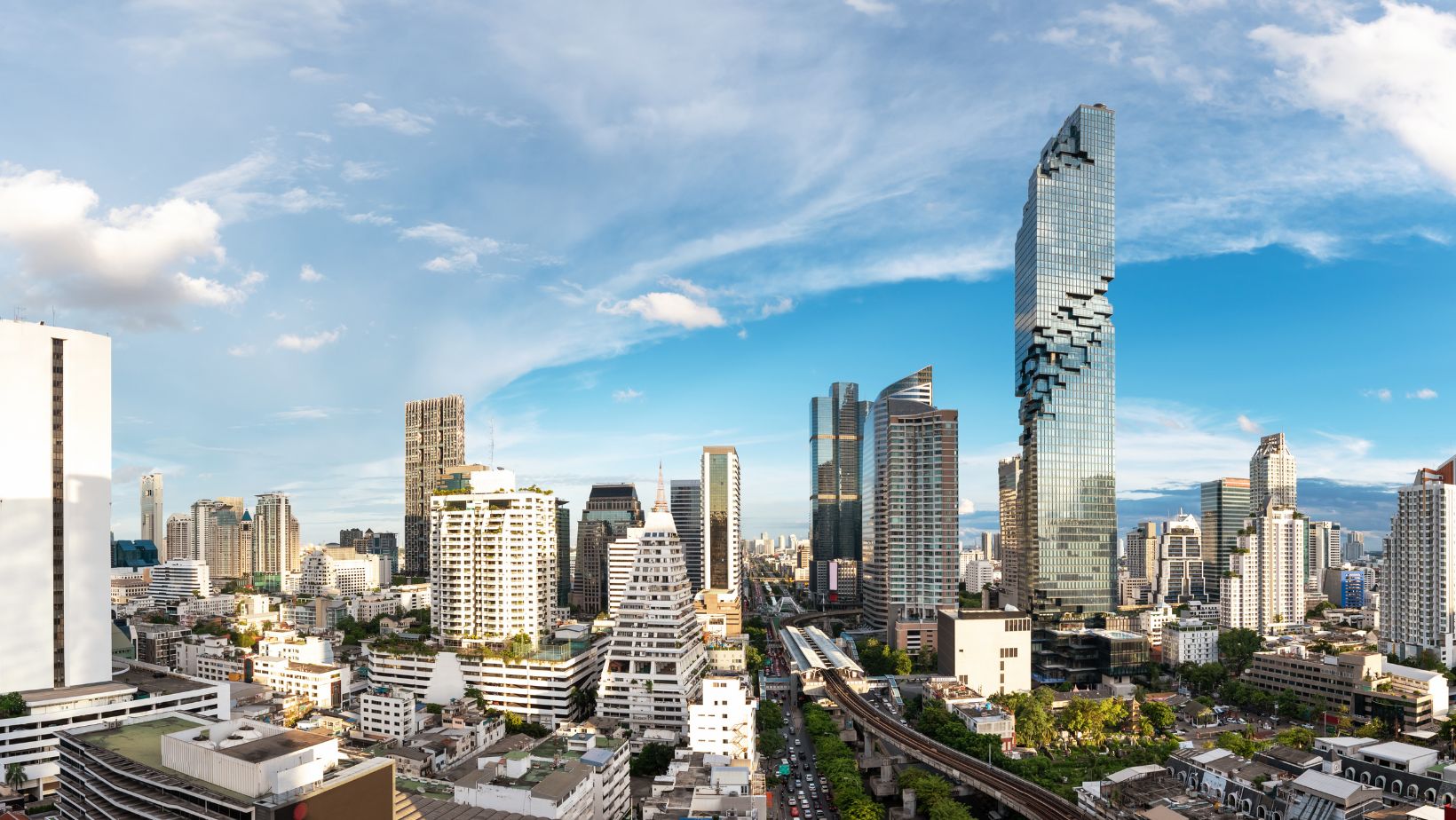
While it might seem counterintuitive, staying central in Asia often provides a greater sense of safety. Popular districts are well-patrolled, well-lit, and designed with tourists in mind. For solo travelers or night explorers, central neighborhoods reduce the anxiety of getting lost or venturing into less secure areas.
For example, central Singapore has 24-hour transport, bustling streets, and a strong police presence, making it easier for travelers to navigate at any hour. Contrast that with peripheral hotels in isolated districts: although cheaper, they may lack easy access to emergency services or reliable transport late at night.
Culinary Adventures at Your Doorstep
Food is one of Asia’s biggest draws, and staying centrally elevates this experience. Street food, traditional restaurants, and modern fusion spots are concentrated in the city’s heart. In Bangkok’s central districts, you can enjoy everything from steaming bowls of noodles to tropical fruit desserts within a five-minute walk from your hotel.
Being central allows spontaneous culinary adventures. You can wander into a small alley and discover a local gem, or follow the scent of spices to a hidden restaurant. Peripheral locations often limit these experiences to planned dining, which diminishes the serendipity that makes food travel in Asia so exciting.
Connecting With Other Travelers
Central hubs attract a diverse mix of travelers. Hostels, boutique hotels, and guesthouses in city centers become social spaces where stories are exchanged, and itineraries are shared. If your goal is to meet fellow explorers, swap tips, or even find travel companions for day trips, a central base is ideal. You’re immersed not just in the local culture, but in a global culture of travelers, each adding a unique perspective to your journey.
Maximizing Every Moment
Asia is vast, and travelers often feel the pressure of limited time. Staying central transforms the pace of your trip, allowing every hour to be productive and memorable. Museums, landmarks, cultural shows, parks, and nightlife are all within reach. Instead of spending half your day commuting, you can spend that time soaking in experiences, trying new activities, or simply relaxing in the rhythm of the city.
Moreover, central locations offer flexibility. Missed a morning tour? You can easily reschedule. Craving a midnight snack or an impromptu temple visit? You can do it without worrying about the last bus or a complicated ride home. Staying central turns travel from a rigid schedule into an adventure guided by curiosity and spontaneity.
Conclusion
Choosing a central location in Asia may sometimes cost a little more, but the value it provides is immeasurable. Convenience, cultural immersion, time efficiency, safety, culinary exploration, social connections, and flexibility all converge to create a richer, more fulfilling travel experience. Rather than seeing Asia from the outside looking in, staying central allows travelers to dive straight into the heart of each city, transforming every day into an opportunity for discovery.
In essence, the right base in Asia does more than provide a place to sleep—it becomes the anchor for your entire adventure. By placing yourself in the center of life, culture, and activity, you unlock experiences that peripheral stays simply cannot match. So, the next time you plan a trip, remember: where you stay is as important as where you go. In Asia, staying central doesn’t just change your travel logistics—it transforms the journey itself.