

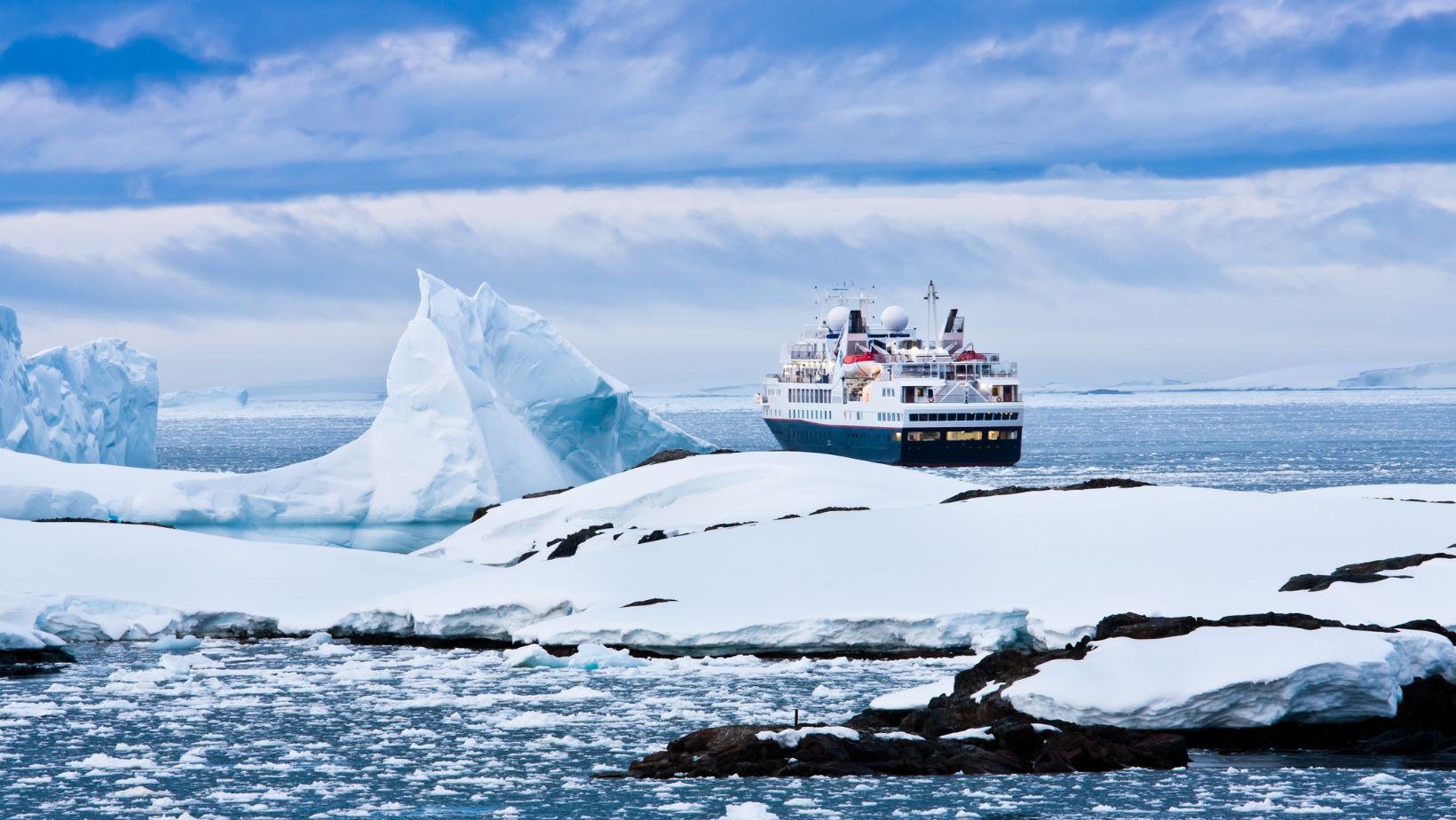
Towering icebergs reflecting sunlight like giant crystals, penguins waddling across pristine white shores, and whales breaching in waters so clear they look like glass. Antarctica isn’t just a destination—it’s an experience that changes everyone who visits.
But here’s the thing most people don’t realize until they start planning: not all routes to the White Continent are created equal. The two main paths, the Drake Passage and the Scotia Sea route offer completely different adventures. Understanding these options can make or break the trip of a lifetime.
What Makes Antarctica So Special
Antarctica stands as Earth’s last true wilderness, a place where nature rules completely and humans are just visitors. The continent holds about ninety percent of the world’s ice and remains one of the few places on the planet where commercialization hasn’t taken over.
When travelers step onto Antarctic soil, they’re walking where few humans have ever been. Wildlife shows no fear of people because they’ve rarely encountered them. This raw, untouched beauty creates moments that stick with people forever.
The Classic Drake Passage Route
The Drake Passage has earned its reputation as one of the most notorious stretches of water on Earth. This six-hundred-mile crossing between South America’s tip and Antarctica connects the Atlantic and Pacific oceans, creating conditions that can get wild. The journey typically takes about two days each way, and the seas can range from surprisingly calm to seriously choppy.
Here’s what makes this route special though: it’s the most direct path to the Antarctic Peninsula, meaning more time exploring the continent. Ships departing from Ushuaia, Argentina, follow this traditional route that explorers have used for over a century.
The Smoother Scotia Sea Alternative
For those who’d rather skip the Drake’s potentially rough waters, the Scotia Sea offers a gentler alternative. This journey typically involves flying from Punta Arenas, Chile, to King George Island, then boarding the ship there. The flight takes about two hours and cuts out the Drake Passage entirely.
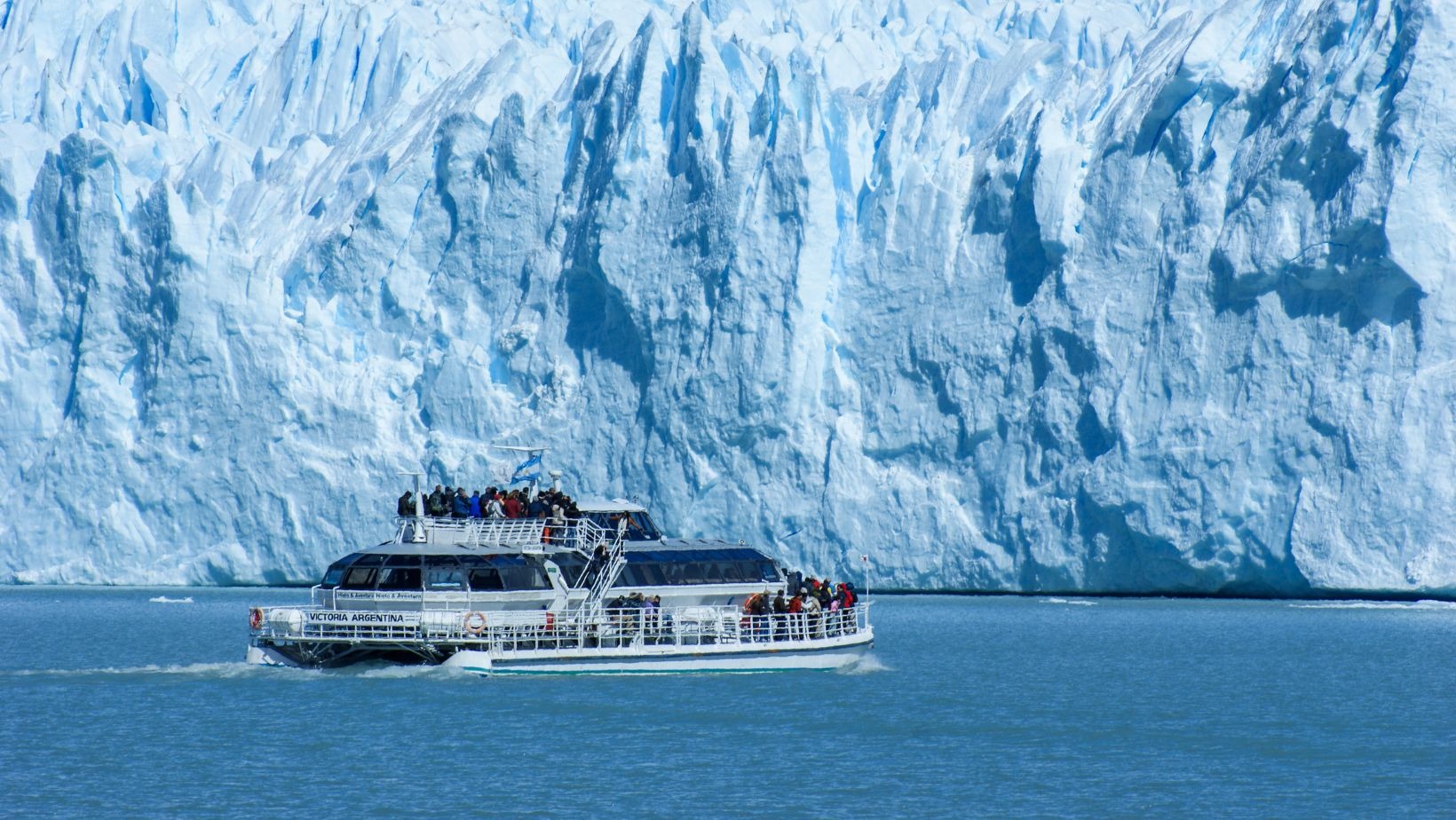
From King George Island, ships navigate through the calmer Scotia Sea toward the Antarctic Peninsula. This option appeals especially to travelers who worry about seasickness or those with limited time who want to maximize their days in Antarctica itself. The different cruise options available through the Scotia Sea route often include visits to research stations on King George Island.
Wildlife Encounters Along Both Routes
Both routes deliver spectacular wildlife experiences, though the timing and frequency of sightings vary. The Drake Passage journey offers chances to spot albatrosses, petrels, and other seabirds that follow the ship for miles. Whales often appear during the crossing, creating unforgettable moments when they surface alongside the vessel.
Once in Antarctic waters, both routes provide access to massive penguin colonies—Gentoos, Chinstraps, and Adélies going about their noisy, entertaining business. Seals sprawl on ice floes, from the enormous elephant seals to the predatory leopard seals. The wildlife doesn’t discriminate between routes; it’s more about timing and a bit of luck.
Making the Right Choice for Your Adventure
Choosing between these routes comes down to personal priorities and comfort levels. The Drake Passage suits adventurers who want the complete expedition experience, don’t mind potential rough seas, and have a bit more time for their journey. Those prone to motion sickness can bring medication, and many find the Drake isn’t as bad as its reputation suggests.
The Scotia Sea route works better for travelers with tight schedules, concerns about seasickness, or those who simply prefer flying over extended ocean crossings. Budget plays a role too—fly-cruise options typically cost more than traditional voyages.
Conclusion
Antarctica is one of Earth’s most extraordinary destinations, offering transformations that go beyond typical vacations. Whether braving the legendary Drake Passage or flying to the calmer Scotia Sea route, the destination remains equally spectacular.
The choice simply shapes how the adventure unfolds. Both paths lead to the same breathtaking landscapes, incredible wildlife, and that profound sense of standing at the bottom of the world.