
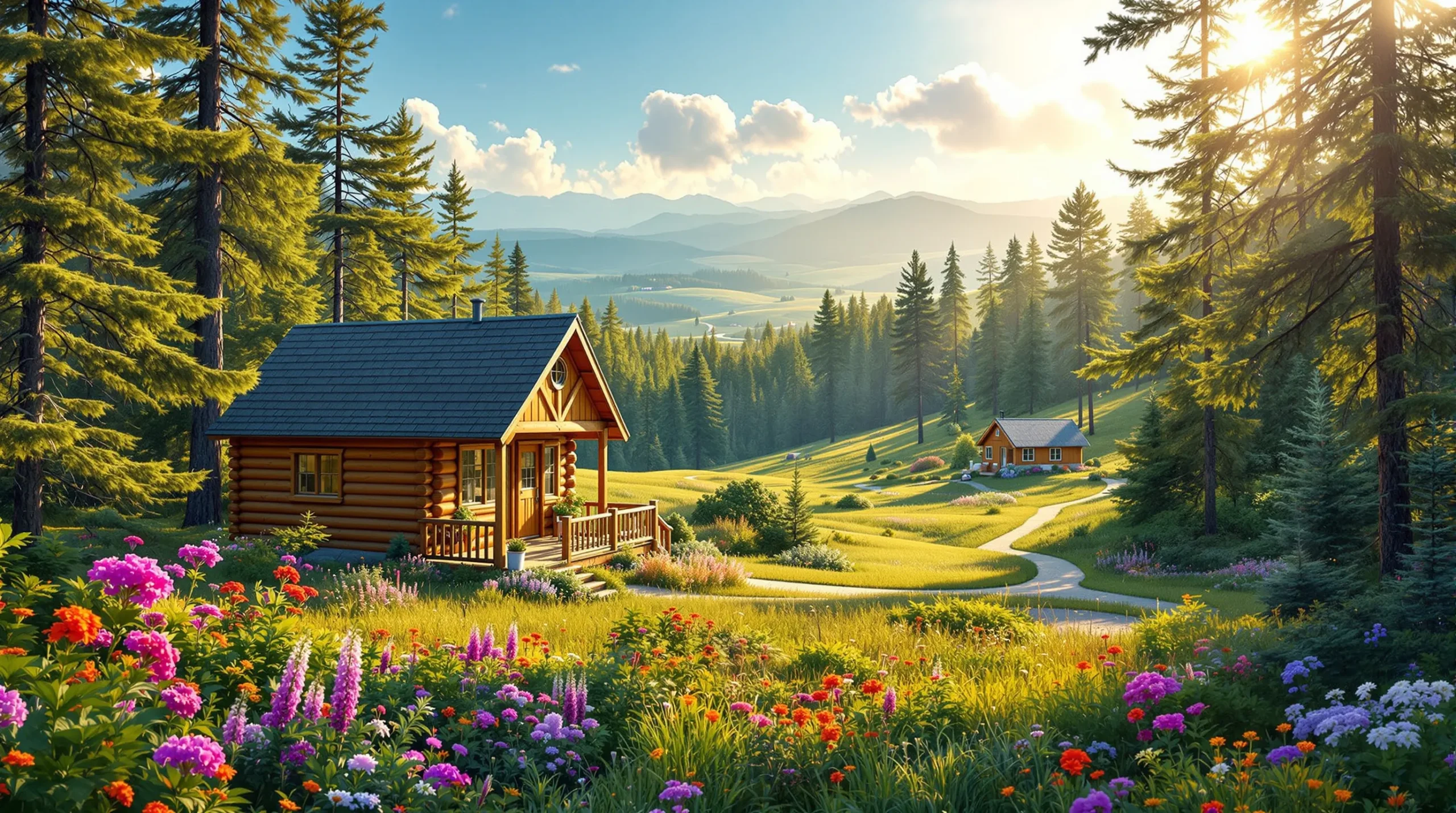
Picture this: you wake up to the sound of wind rustling through pine trees, not traffic. Your nearest neighbor lives a mile away. The only thing on your morning agenda is coffee on the porch, watching the sun rise over untouched hills. If you’ve ever dreamed of trading city chaos for peace, you’re not alone. More people than ever are searching for remote places to live, chasing adventure, solitude, or just a break from the noise.
Why Remote Places to Live Are Calling
Let’s be honest—modern life can feel like a never-ending to-do list. Remote places to live offer a reset button. You get space to breathe, think, and maybe even reinvent yourself. But here’s the part nobody tells you: living remotely isn’t just about escaping. It’s about discovering what you really need—and what you can live without.
If you’ve ever felt overwhelmed by constant notifications or dreamed of a backyard that stretches for acres, remote living might be your next adventure. But it’s not for everyone. If you crave nightlife, fast delivery, or a dozen coffee shops within walking distance, you might struggle. For those who want quiet, nature, and a slower pace, remote places to live can feel like paradise.
What Makes a Place Truly Remote?
Not all remote places to live are created equal. Some are tucked deep in forests, others perch on windswept islands, and a few sit high in the mountains. Here’s what sets them apart:
- Distance from urban centers: The farther you are from a city, the more remote it feels.
- Limited infrastructure: Fewer roads, shops, and services mean more self-reliance.
- Natural barriers: Rivers, mountains, or deserts can make access tricky—and keep crowds away.
Here’s why that matters: the more remote the place, the more you’ll need to plan. Grocery runs become events. Internet might be spotty. But the payoff? Silence, stars, and a sense of freedom you can’t buy in the city.
Top Remote Places to Live Around the World
Ready for specifics? Let’s break it down. Here are some of the most unique remote places to live, each with its own flavor of adventure.
1. Svalbard, Norway
Imagine polar bears outnumbering people. Svalbard sits halfway between Norway and the North Pole. Winters are long and dark, but the midnight sun in summer is unforgettable. You’ll need a permit to live here, and you’ll learn to love snowmobiles. If you want true isolation, Svalbard delivers.
2. The Scottish Highlands
Rolling hills, ancient castles, and more sheep than humans. The Highlands offer remote places to live where you can hike for hours without seeing another soul. Villages like Applecross or Torridon have tiny populations and jaw-dropping scenery. You’ll need to get used to unpredictable weather and slow Wi-Fi, but the views make up for it.
3. Patagonia, Argentina and Chile
Patagonia is wild, windy, and stunning. Think endless steppe, jagged peaks, and turquoise lakes. Towns like El Chaltén or Villa O’Higgins are gateways to adventure. Life here is simple—wood stoves, local markets, and neighbors who become family. If you love hiking, fishing, or just staring at mountains, Patagonia is hard to beat.
4. The Outback, Australia
Red earth, big skies, and kangaroos for company. The Australian Outback is one of the most remote places to live on earth. Towns like Coober Pedy (where people live underground to escape the heat) or Birdsville (famous for its annual horse race) offer a taste of true isolation. You’ll need to be tough and resourceful, but the sunsets are legendary.
5. The Yukon, Canada
If you want forests, rivers, and northern lights, the Yukon delivers. Towns like Dawson City or Old Crow are small but full of character. Winters are cold, but the sense of community is strong. You’ll learn to chop wood, drive on ice, and maybe even spot a moose in your backyard.
What’s It Really Like? The Emotional Truth
Here’s the part most travel blogs skip: remote living can be lonely. The silence is beautiful, but it can also feel heavy. You’ll miss friends, family, and the ease of city life. I once spent a winter in a cabin in Alaska. The first week felt magical. By week three, I was talking to my kettle. But I also learned to appreciate small joys—a hot shower, a letter from home, the first wildflowers in spring.
If you’re considering remote places to live, ask yourself: do you enjoy your own company? Are you ready to fix things yourself when they break? Can you handle a little discomfort for a lot of beauty?
How to Choose the Right Remote Place for You
Not all remote places to live fit every personality. Here’s a quick checklist to help you decide:
- Climate: Do you love snow or crave sun?
- Access: How far are you willing to drive for groceries or medical care?
- Community: Do you want total solitude or a small, tight-knit group?
- Work: Can you work remotely, or do you need local job options?
- Adventure: What activities matter most—hiking, fishing, stargazing?
Here’s a tip: visit before you commit. Spend a week or two in your chosen spot. Talk to locals. Try living without your usual comforts. You’ll learn fast if it’s right for you.
Tips for Thriving in Remote Places to Live
Ready to make the leap? Here are some hard-earned lessons:
- Plan for the unexpected. Stock up on essentials. Power outages and supply delays happen.
- Stay connected. Invest in a good satellite phone or internet. Even introverts need a lifeline.
- Embrace the local culture. Learn from neighbors. They know the land and the weather better than any guidebook.
- Find a routine. Structure helps when days blur together. Set goals, even small ones.
- Take care of your mental health. Isolation can sneak up on you. Stay active, keep a journal, and reach out when you need to.
Here’s the truth: remote places to live will test you. But they’ll also teach you what matters. You’ll discover strengths you didn’t know you had—and maybe, just maybe, find the peace you’ve been chasing.
Is Remote Living Right for You?
If you crave adventure, value quiet, and don’t mind a little hard work, remote places to live can change your life. If you need constant stimulation or hate being alone, you might struggle. There’s no shame in that. The world needs both city lovers and wilderness wanderers.
So, what’s next? If your heart beats faster at the thought of wide-open spaces, start researching. Reach out to people who’ve made the leap. And remember: the best remote places to live aren’t just about location—they’re about how you feel when you get there. Sometimes, the wildest adventure is finding out what you’re really made of.