
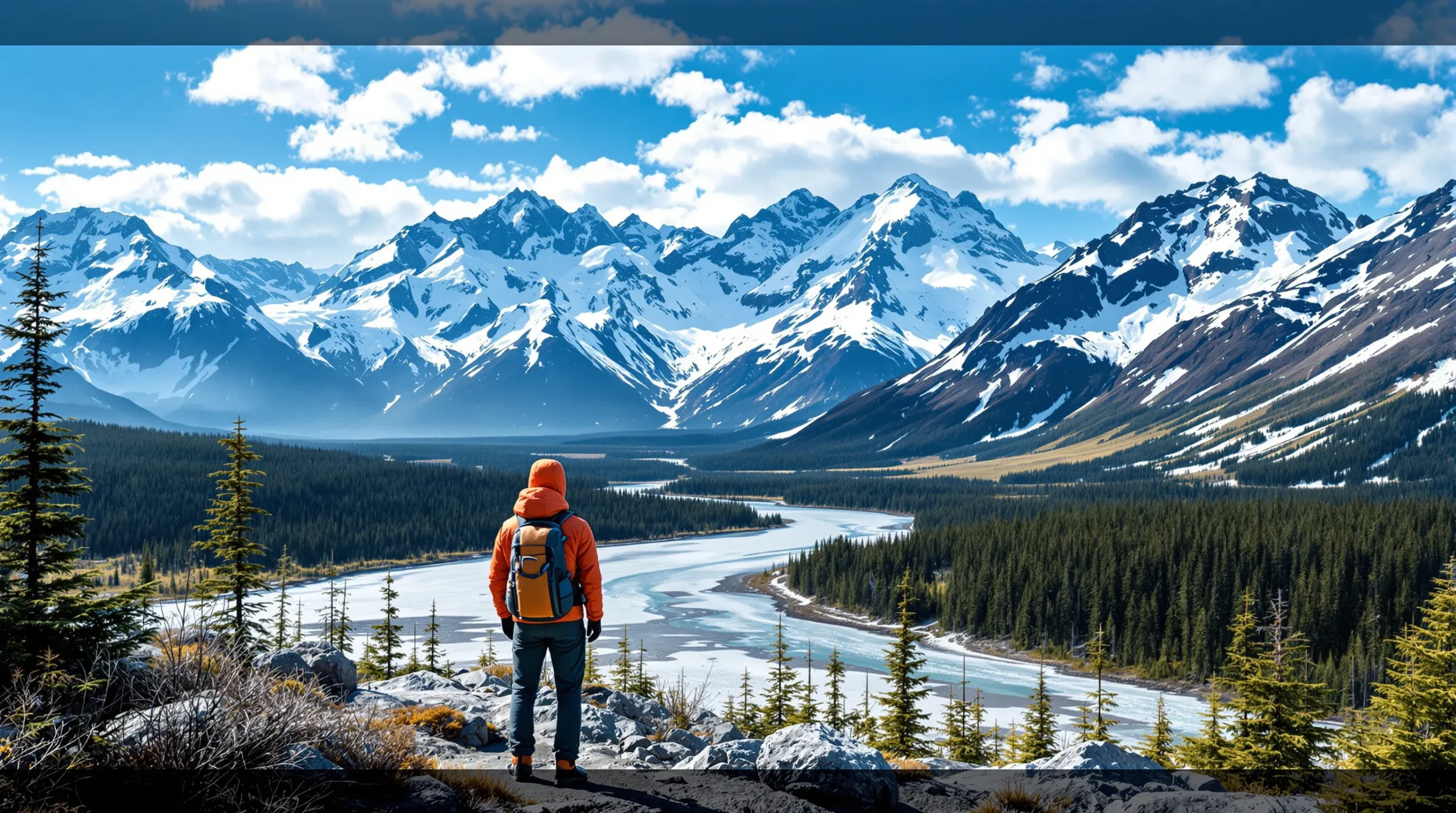
Picture this: you’re standing on a wind-swept ridge in Alaska, the only sound is your own breath and the distant call of a raven. No cell service. No roads. Just you, the wild, and a sense of freedom you can’t buy. If you’ve ever craved true escape, the most remote places in the US offer a kind of solitude that’s hard to find anywhere else. But here’s the part nobody tells you—these hidden gems aren’t just about distance. They’re about the feeling of being small in a world that’s still wild and untamed.
Why Seek Out the Most Remote Places in the US?
Let’s break it down. Most of us live within reach of a coffee shop, a grocery store, and a dozen Wi-Fi signals. But there’s a growing tribe of people who want something different. Maybe you’re tired of crowds. Maybe you want to test yourself. Or maybe you just want to see if true silence still exists. The most remote places in the US aren’t for everyone. If you need constant connection, you’ll hate it. But if you want to feel alive, keep reading.
What Makes a Place Truly Remote?
It’s not just about miles from the nearest city. True remoteness means no roads, no neighbors, and sometimes, no rescue if things go wrong. It’s the kind of place where you pack out your trash and your fears. Here’s why that matters: when you strip away the noise, you find out what you’re really made of. And sometimes, you find a kind of peace you didn’t know you needed.
America’s Most Remote Places: Hidden Gems You’ll Never Forget
1. The Frank Church–River of No Return Wilderness, Idaho
With over 2.3 million acres, this is the largest contiguous wilderness in the lower 48. No roads cross it. You can hike for days without seeing another soul. The Salmon River slices through deep canyons, and the only way in is by foot, horse, or bush plane. If you’ve ever wanted to feel like an explorer, this is your place. But be warned: the name isn’t a joke. People have gotten lost here. Bring a map, and maybe a friend who knows how to read one.
2. Gates of the Arctic National Park, Alaska
Here’s the truth: most Americans will never set foot here. No roads, no trails, and no visitor centers. Just six million acres of pure, raw wilderness above the Arctic Circle. Caribou migrate across the tundra, and the sun doesn’t set for weeks in summer. If you want to see what the world looked like before humans, this is it. But you’ll need to fly in, and you’ll need to know how to survive. This isn’t a weekend getaway—it’s a test of your grit.
3. Supai, Arizona: The Most Isolated Village in the Lower 48
Imagine a place where the mail still arrives by mule. Supai sits deep in the Grand Canyon, home to the Havasupai Tribe. The only way in is by foot, horse, or helicopter. The turquoise waterfalls here look unreal, but the journey is real work—an eight-mile hike each way. If you want to see the most remote places in the US and meet people who’ve lived there for centuries, Supai is unforgettable. Just respect the land and the people who call it home.
4. The Okefenokee Swamp, Georgia
Swamps don’t get enough love. The Okefenokee is 700 square miles of blackwater channels, floating islands, and alligators. You can paddle for days and not see another human. The silence here is thick, broken only by the splash of a turtle or the call of a barred owl. If you want to feel like you’re in another world, this is it. But bring bug spray. Lots of it.
5. Isle Royale National Park, Michigan
Most people don’t realize Michigan has one of the most remote places in the US. Isle Royale sits in Lake Superior, closer to Canada than the mainland. No cars, no roads, just moose, wolves, and miles of forest. The only way in is by boat or seaplane. Once you’re there, you’ll find 165 miles of trails and a silence that feels almost sacred. If you’ve ever wanted to disappear for a week, this is your spot.
What You Need to Know Before You Go
- Preparation is everything: Remote means no help if you get in trouble. Bring extra food, water, and a way to call for help (satellite phone, not your iPhone).
- Respect the land: These places are wild for a reason. Leave no trace. Pack out everything you bring in.
- Know your limits: It’s easy to get in over your head. If you’re new to backcountry travel, start small. There’s no shame in turning back.
Who Should (and Shouldn’t) Visit the Most Remote Places in the US?
If you love comfort, these places aren’t for you. If you panic when you lose cell service, you’ll hate it. But if you crave adventure, if you want to see what you’re made of, or if you just want to hear your own thoughts for once, you’ll love it. Here’s the part nobody tells you: you don’t have to be a survival expert. You just have to be curious, careful, and willing to learn from your mistakes.
Lessons from the Edge: What Remote Places Teach Us
I once got lost in the Frank Church Wilderness. My map got wet, my GPS died, and for a few hours, I felt real fear. But I also felt alive in a way I never had before. That’s the gift of the most remote places in the US—they strip away the easy answers and force you to pay attention. You learn to trust yourself. You learn to listen. And sometimes, you learn that the world is bigger and wilder than you ever imagined.
Next Steps: How to Start Your Own Remote Adventure
- Pick a place that excites (and scares) you a little.
- Research the area—read trip reports, check weather, and talk to rangers if you can.
- Pack for self-sufficiency. Assume you’ll be on your own.
- Tell someone where you’re going and when you’ll be back.
- Go slow. Take it all in. Let yourself be changed by the experience.
If you’ve ever wondered what it’s like to stand in a place where the only footprints are your own, the most remote places in the US are waiting. They’re not easy. They’re not comfortable. But they just might be the adventure you’ve been looking for.