
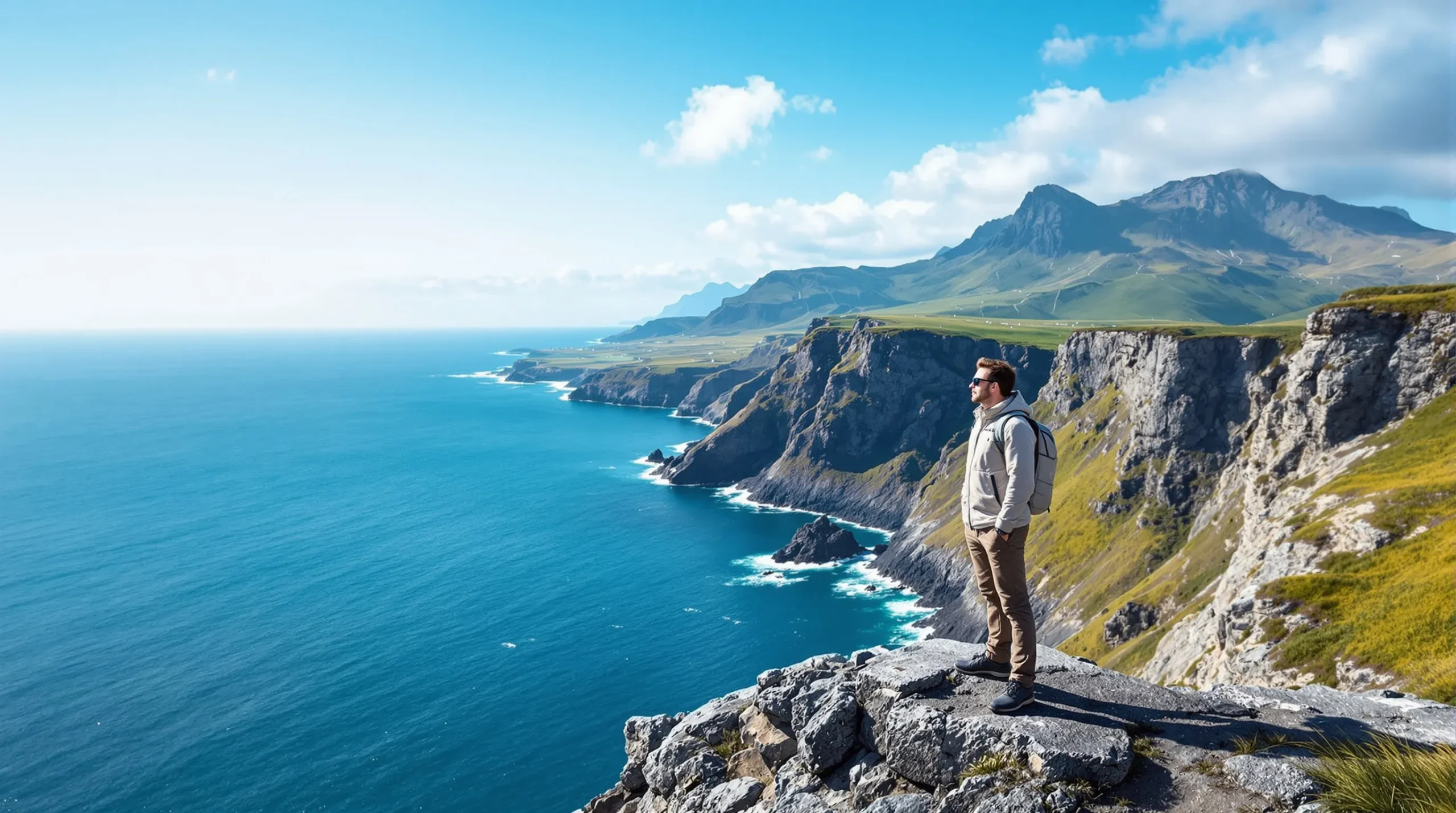
Picture this: You’re standing on a rocky cliff, wind howling, ocean stretching in every direction. No cell service. No roads. No neighbors for thousands of miles. If you’ve ever wondered what true isolation feels like, you’re not alone. The search for the most remote country in the world isn’t just about geography—it’s about the human urge to find the edge of the map, to see what happens when you step off it.
What Does “Most Remote Country in the World” Even Mean?
Let’s break it down. When people talk about the most remote country in the world, they usually mean a place that’s hard to reach, far from other countries, and sparsely populated. But here’s the part nobody tells you: “Remote” isn’t just about distance. It’s about how it feels to be cut off from the rest of the world. Some places are technically closer to civilization but feel more isolated because of harsh weather, rough terrain, or lack of infrastructure.
How Do You Measure Remoteness?
There’s no official scoreboard, but experts look at:
- Distance from major landmasses
- Population size and density
- Accessibility (flights, boats, roads)
- Self-sufficiency (can you survive without outside help?)
If you’ve ever struggled to get a pizza delivered, imagine waiting weeks for a supply ship.
The Usual Suspects: Which Countries Make the List?
Let’s get specific. When people debate the most remote country in the world, a few names always come up. Here’s why:
Iceland: The Land of Fire, Ice, and Solitude
Iceland sits in the North Atlantic, closer to Greenland than Europe. With just over 370,000 people and more sheep than humans, it’s easy to find yourself alone with the elements. But Iceland’s international airport and tourism boom mean it’s not as cut off as it once was.
Mongolia: Endless Steppe, Few Neighbors
Mongolia is landlocked between Russia and China, with vast grasslands and a population density of just two people per square kilometer. You can drive for hours without seeing another soul. Still, it’s not an island, so you’re never truly surrounded by nothing but nature.
Greenland: Technically Denmark, Practically Mars
Greenland is the world’s largest island, covered in ice and home to about 56,000 people. It’s technically part of Denmark, but culturally and geographically, it’s in a league of its own. Flights are rare, and most towns are only accessible by boat or plane. If you want to feel like you’ve left Earth, Greenland delivers.
Tristan da Cunha: The Winner for Most Remote Country in the World?
Here’s where things get interesting. Tristan da Cunha is a British Overseas Territory, not a country, but it’s often called the most remote inhabited place on Earth. Located in the South Atlantic, it’s 2,400 kilometers from the nearest continent. Fewer than 300 people live there. No airport. One supply ship every few months. If you want to disappear, this is your spot.
But Wait—Is There a True “Most Remote Country in the World”?
Here’s the truth: No single country holds the title forever. It depends on how you define “country” and what kind of remoteness you crave. Some say Nauru, the world’s smallest island country, wins because it’s so tiny and isolated in the Pacific. Others argue for Tuvalu or Kiribati, where rising seas threaten to erase them entirely.
Why Does Remoteness Matter?
Let’s get real. The idea of the most remote country in the world isn’t just trivia. It’s about what happens to people, culture, and nature when you’re far from everything else. Isolation can breed creativity, resilience, and unique traditions. But it can also mean loneliness, limited resources, and tough choices.
What’s It Like to Live in the Most Remote Country in the World?
If you’ve ever dreamed of escaping the noise, you might think remote living is paradise. But here’s what residents say:
- “We know everyone by name. There’s no such thing as anonymity.”
- “If the supply ship is late, we ration food and fuel.”
- “The ocean is both our highway and our prison.”
One Tristan da Cunha resident described the joy of seeing a new face after months of isolation. Another admitted missing simple things—fresh fruit, a movie theater, even traffic jams.
Who Should (and Shouldn’t) Seek Out the Most Remote Country in the World?
This isn’t for everyone. If you crave connection, fast Wi-Fi, and endless options, you’ll struggle. But if you want space to think, wild landscapes, and a tight-knit community, you might thrive. Here’s a quick gut check:
- Go for it if: You love adventure, don’t mind solitude, and can handle uncertainty.
- Think twice if: You need constant stimulation, hate surprises, or get homesick easily.
Here’s the part nobody tells you: The most remote country in the world isn’t just a place. It’s a test of who you are when nobody’s watching.
How to Visit the Most Remote Country in the World
Ready to go off-grid? Here’s what you need to know:
- Plan months in advance. Transport is rare and weather-dependent.
- Pack for every scenario. Supplies are limited, and you can’t just run to the store.
- Respect local customs. Small communities notice everything.
- Prepare for boredom—and for moments of awe you’ll never forget.
Most visitors say the hardest part isn’t getting there—it’s leaving. The silence, the stars, the sense of being at the edge of the world stick with you.
Final Thoughts: Why the Most Remote Country in the World Still Matters
In a world that feels smaller every day, the most remote country in the world reminds us that true isolation still exists. It’s a place where nature calls the shots, where people rely on each other, and where you can hear your own thoughts. If you’re brave enough to seek it out, you might just discover something about yourself you never expected.