

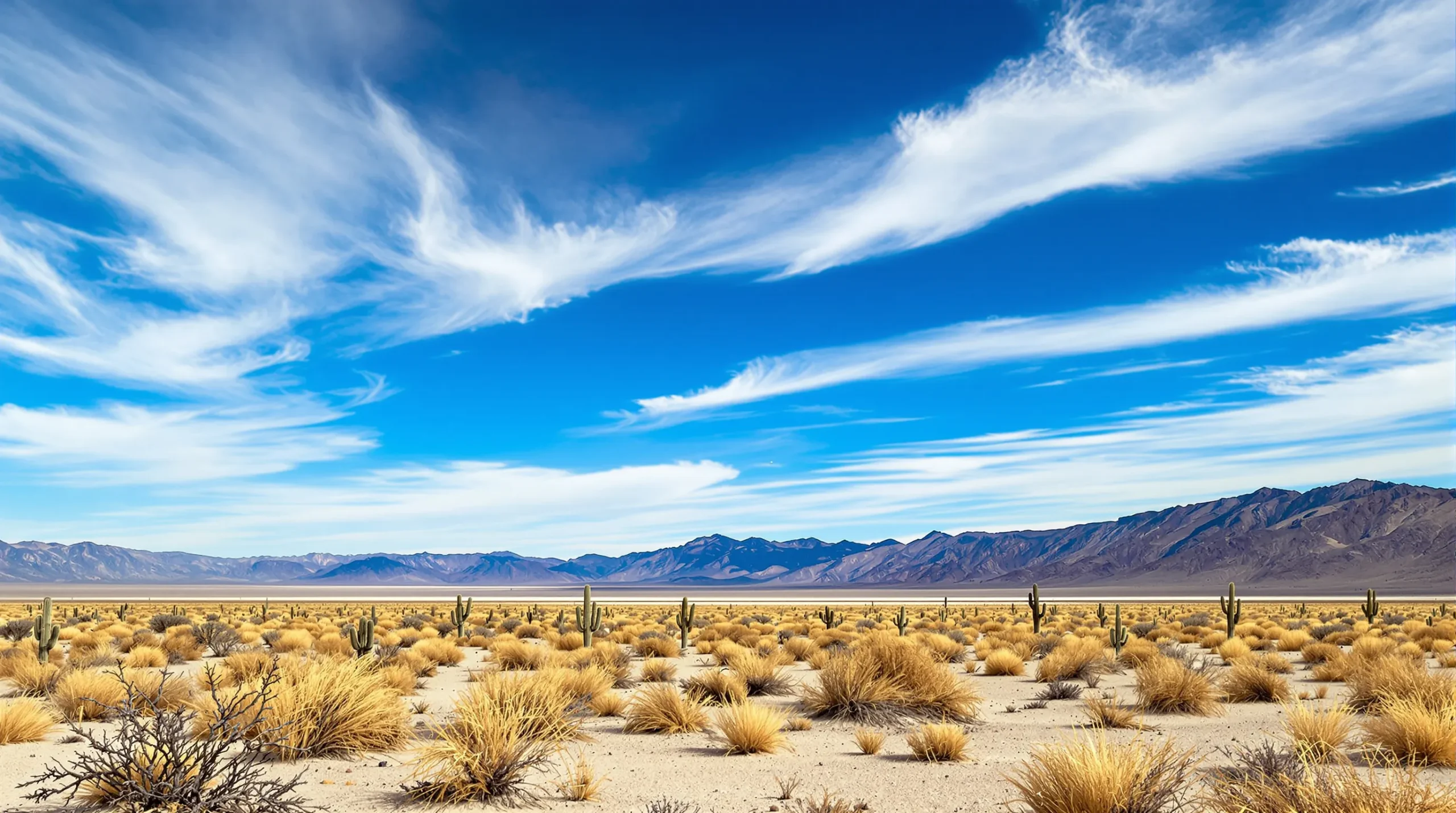
The first time I stood in the middle of the Bonneville Salt Flats, I felt like I’d landed on another planet. The ground stretched white and flat in every direction, shimmering under a sky so big it made my chest ache. No trees, no buildings, not even a bird. Just me, the wind, and the crunch of salt under my boots. If you’ve ever wondered why people seek out desolate places, here’s the secret: isolation can be beautiful, even addictive.
Why We’re Drawn to Desolate Places
Desolate places aren’t just empty. They’re honest. They strip away distractions and force you to face yourself. Some people find that terrifying. Others—maybe you—find it freeing. There’s a reason artists, writers, and wanderers have always chased solitude. In the silence, you hear your own thoughts. In the emptiness, you see what matters.
But let’s get specific. Desolate places come in all shapes: salt flats, abandoned towns, wind-blasted deserts, and icy tundras. Each one offers a different flavor of isolation. The Atacama Desert in Chile, for example, is so dry that some weather stations there have never recorded rain. Pripyat, Ukraine, stands frozen in time, its Ferris wheel rusting in the shadow of Chernobyl. These aren’t just backdrops—they’re characters in their own right.
The Unexpected Beauty of Isolation
Here’s the part nobody tells you: desolate places aren’t just about emptiness. They’re about discovery. When you stand alone in a vast, silent space, your senses sharpen. You notice the way the wind whistles through a canyon, or how the stars burn brighter without city lights. I once spent a night camping in the Namib Desert. The sand glowed silver under the moon, and I realized I’d never really seen darkness before. It was both eerie and comforting.
Desolate places also teach you humility. Nature doesn’t care about your schedule or your phone’s battery. If you forget your water bottle in Death Valley, you learn fast. I’ve made that mistake. Lesson learned: always double-check your pack. These moments stick with you, long after you’ve left the silence behind.
Who Should (and Shouldn’t) Seek Out Desolate Places
If you crave constant stimulation, desolate places might drive you nuts. There’s no Wi-Fi, no coffee shops, no friendly faces around the corner. But if you’re the kind of person who finds peace in quiet, or if you need a break from the noise of daily life, isolation can feel like a reset button. It’s not for everyone, and that’s okay.
Here’s a quick gut-check:
- You love wide-open spaces and don’t mind being alone
- You’re comfortable with discomfort—heat, cold, or boredom
- You want to challenge yourself, not just your Instagram feed
If you nodded along, desolate places might be your next adventure. If not, no shame—there’s beauty in busy places too.
Famous Desolate Places Worth Visiting
Let’s break it down. Some desolate places have become legends:
- Antarctica: The coldest, driest, and windiest continent. Scientists and explorers risk frostbite for a glimpse of its icy beauty.
- Salar de Uyuni, Bolivia: The world’s largest salt flat. After rain, it turns into a giant mirror, reflecting the sky so perfectly you lose your sense of up and down.
- Wadi Rum, Jordan: Red sand and towering rock formations. Lawrence of Arabia called it “vast, echoing, and God-like.”
- Death Valley, USA: The hottest place on Earth. Temperatures can hit 134°F (56.7°C). Bring extra water.
- Empty Quarter (Rub’ al Khali), Arabian Peninsula: The largest sand desert in the world. Dunes stretch for hundreds of miles, and you might not see another soul for days.
Each of these desolate places offers a different lesson. Antarctica humbles you. Salar de Uyuni dazzles you. Death Valley tests you. The common thread? They all remind you how small you are—and how much beauty there is in the world’s forgotten corners.
What Desolate Places Teach Us
Here’s why desolate places matter: they force you to slow down. In a world obsessed with speed and connection, isolation feels radical. You can’t fake your way through a night alone in the desert. You have to sit with your thoughts, your fears, and your hopes. That’s where growth happens.
I’ve made mistakes in desolate places. I’ve underestimated distances, run out of snacks, and gotten lost more than once. But I’ve also learned to trust myself. I’ve found joy in small things—a sunrise, a warm cup of tea, the crunch of gravel underfoot. If you’ve ever struggled to find clarity, try spending a day somewhere empty. You might be surprised by what you hear in the silence.
How to Experience Desolate Places Safely
Let’s get practical. Desolate places can be dangerous if you’re not prepared. Here are a few tips:
- Always tell someone where you’re going and when you’ll be back
- Bring more water and food than you think you’ll need
- Check the weather and pack for extremes
- Carry a map and compass—GPS can fail
- Respect local rules and protected areas
Don’t let fear stop you, but don’t get cocky either. The line between adventure and disaster is thinner than you think.
Finding Beauty in Isolation—Your Next Steps
If you’re ready to explore desolate places, start small. Visit a quiet beach at sunrise. Hike a trail that’s off the beaten path. Spend an afternoon in an empty park with your phone turned off. Notice how your mind reacts to the quiet. Does it race, or does it settle?
Desolate places aren’t just for thrill-seekers or loners. They’re for anyone who wants to see the world—and themselves—more clearly. The beauty of isolation isn’t in what’s missing, but in what you find when everything else falls away. If you’re brave enough to face the silence, you might just discover something unforgettable.