

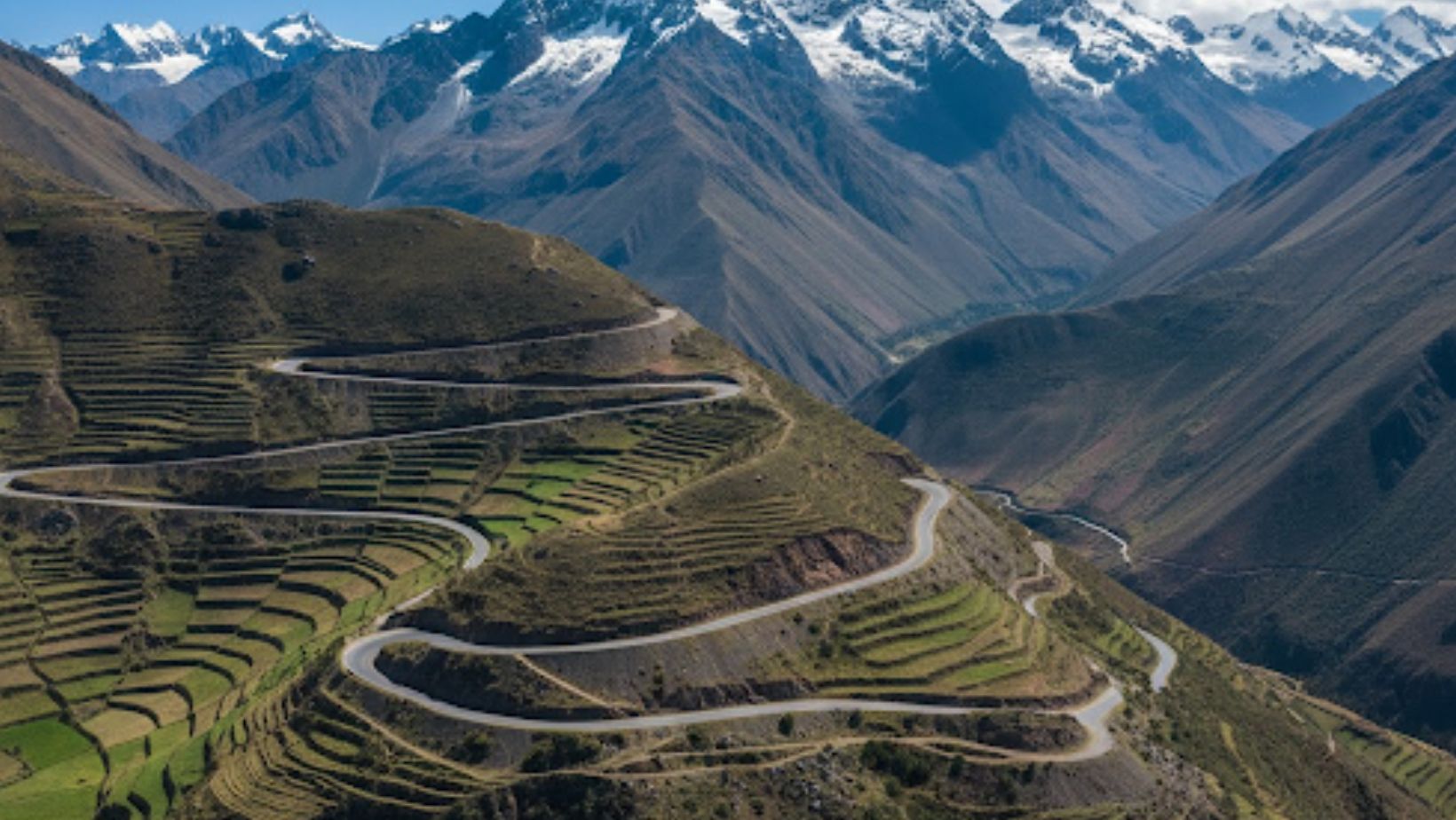
Exploring Peru by car offers travelers unmatched freedom to experience its diverse landscapes, from the Andean highlands to the Amazon rainforest and Pacific coast. For anyone planning a self-drive adventure, knowing the best times for car rental in Peru is crucial to ensure safe, comfortable, and memorable journeys. Seasonal variations can greatly affect road conditions, weather, and accessibility to Peru’s most iconic destinations.
Understanding Peru’s Seasons
Peru’s climate is largely influenced by its geography, which includes the coast, highlands, and jungle. These regions experience different seasonal patterns:
- Coastal regions (Lima, Paracas, Nazca): Mild, desert-like climate. Summer months (December–March) can be warm, while winter (June–September) is cooler and foggy. Coastal roads remain mostly accessible year-round.
- Highlands (Cusco, Arequipa, Puno): The rainy season from November to March can make mountain roads slippery and occasionally challenging. Dry months from April to October are ideal for driving, offering clear skies and safer conditions.
- Amazon region (Iquitos, Puerto Maldonado): Rainy season spans December to April, potentially causing muddy roads and limited access. May to November is drier, making travel easier and safer.
Choosing the Right Vehicle for Your Trip
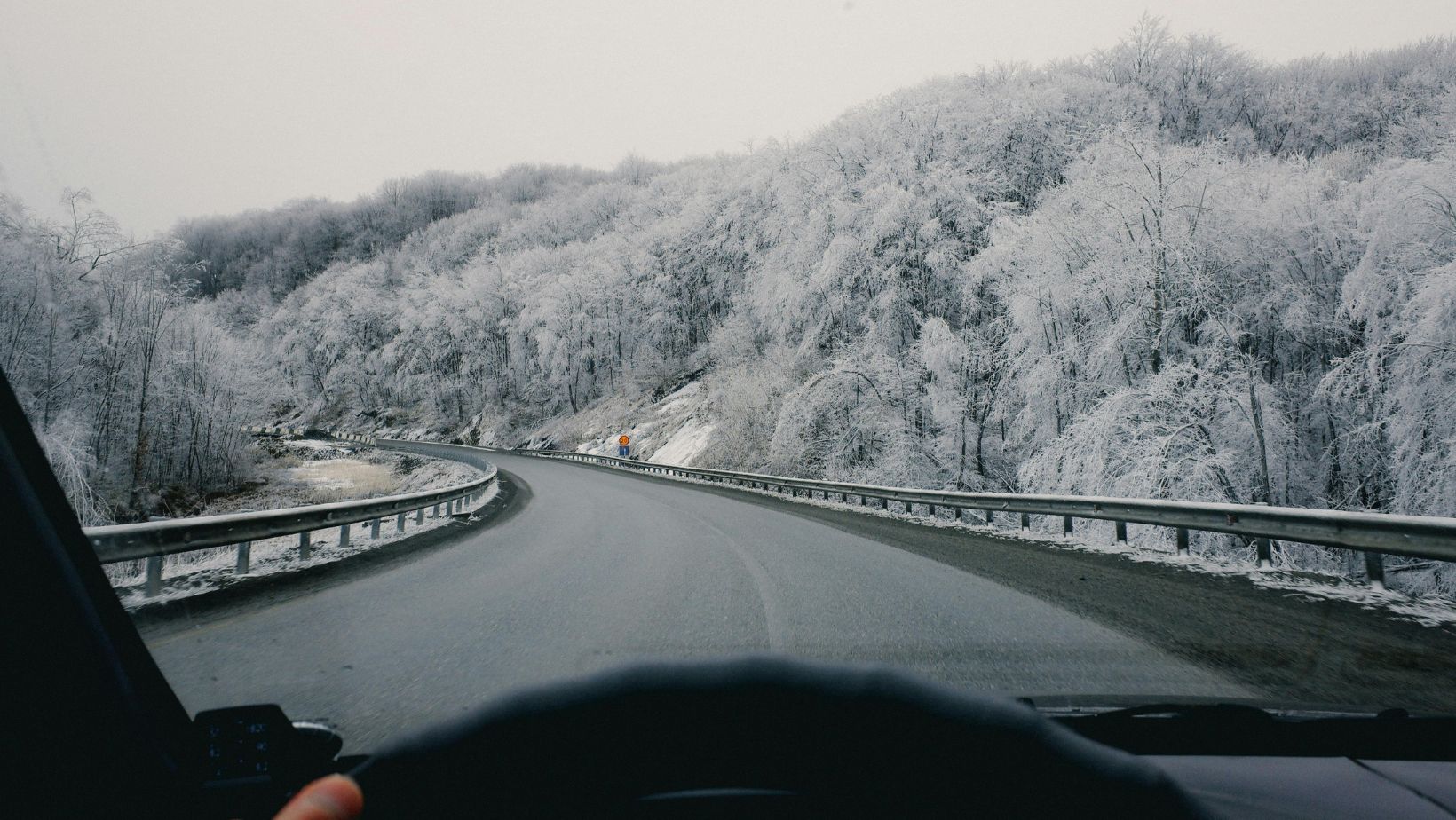
Peru’s terrain is diverse, so selecting a vehicle suited to your route is essential. For coastal drives, a standard car is sufficient, but for highland or Amazon excursions, a 4×4 or SUV is recommended. Safety features like ABS, airbags, and good tire traction are particularly important for mountainous roads and unpaved rural paths.
Recommended Driving Routes by Season
- Dry Season (April–October):
- Andean Highlands: Cusco to Machu Picchu (via Ollantaytambo), Arequipa to Colca Canyon.
- Southern Coast: Paracas to Nazca and beyond, ideal for scenic coastal drives.
- Andean Highlands: Cusco to Machu Picchu (via Ollantaytambo), Arequipa to Colca Canyon.
- Wet Season (November–March):
- Coastal regions: Lima, Trujillo, and northern beaches remain accessible.
- Jungle regions: Travel is possible but requires caution and awareness of potential road disruptions.
- Coastal regions: Lima, Trujillo, and northern beaches remain accessible.
Safety and Travel Tips
- Always check road conditions before departure, particularly in mountainous or remote areas.
- Carry water, snacks, and emergency supplies, especially for long rural drives.
- Use GPS and offline maps as some regions have limited mobile coverage.
- Confirm your car rental insurance covers off-road or high-altitude travel.
Why Timing Matters
Timing your trip around seasonal patterns ensures smoother drives, better weather, and fewer disruptions. The dry season is especially recommended for first-time visitors, while more adventurous travelers may explore the off-season with proper preparation.
Final Thoughts
Peru offers breathtaking diversity, and driving across the country is one of the best ways to experience it fully. By understanding seasonal weather patterns, selecting suitable vehicles, and planning routes carefully, travelers can enjoy a safe, flexible, and unforgettable journey. Whether exploring the Andes, the coast, or the Amazon basin, smart planning ensures that every road trip in Peru is both exciting and worry-free.