
Key Highlights
- Your vessel’s size, weight, and windage are the primary factors in selecting an anchor.
- Understanding different anchor types, like fluke, plough, and modern scoop designs, is crucial.
- The best anchor for your cruising boat depends on the seabed conditions you’ll encounter most, from sand to rock.
- Holding power and reliable setting ability are non-negotiable for safety in different conditions.
- Always consider the entire anchoring system, including the chain, rode, and shackles, not just the anchor itself.
- A reliable stern anchor can be invaluable for safety and comfort in rolly anchorages.
Introduction
When planning your adventures across Australia’s stunning coastline, the right boat anchor is your most critical piece of safety equipment. It’s more than just a tool for stopping; it’s your assurance of a secure night’s sleep and the foundation for safe travel. For any cruising boat, a dependable anchor provides peace of mind, allowing you to explore remote bays and weather unexpected squalls with confidence. Choosing the best anchor isn’t an afterthought—it’s a deliberate decision that safeguards you, your crew, and your vessel.
10 Essential Steps to Choosing the Right Anchors for Safe Travel Across Australia
So, how do I choose the right boat anchor for my vessel? The answer isn’t a single recommendation but a process of careful consideration. Your anchor is your first line of defence against strong winds and changing tides. For new boats and seasoned cruisers alike, selecting the finest anchors as your primary gear is a decision that will be tested time and again.
That first wind gust in an exposed anchorage is not the time to question your gear. By following a logical process, you can equip your boat with an anchoring system that provides security and confidence. These ten essential steps will guide you through the selection process, ensuring you make an informed choice for your Australian travels.
1. Assess Your Vessel’s Size and Type
The first step in selecting an anchor is to look closely at your own vessel. An anchor that’s perfect for a lightweight day-sailer will be dangerously inadequate for a heavy displacement cruising yacht. Manufacturers provide charts that recommend anchor sizes based on a boat’s length, but you should also consider its displacement (weight) and windage—how much surface area it presents to the wind. A high-sided vessel will require more holding power than a sleek one of the same length.
For those coming from a background in racing boats, the mindset must shift. Racers prioritise the lightest gear possible, often using small aluminium anchors with minimal chain. For cruising, however, security trumps weight savings. When you plan to spend weeks or months living on the hook, you need an anchor that offers unwavering reliability, not one that simply meets a minimum rule requirement.
Therefore, when reviewing anchor size charts for new boats or upgrading your current one, it’s often wise for cruisers to choose an anchor one or even two sizes larger than recommended. This extra margin of safety provides invaluable peace of mind when conditions unexpectedly worsen. Are there specific anchors recommended for different boat sizes? Yes, but always factor in your boat’s specific characteristics and your cruising intentions before deciding.
2. Understand the Different Types of Anchors Available
With your vessel’s needs in mind, the next step is to familiarise yourself with the main anchor types available. Each design has unique characteristics, making them suited to different situations and seabeds. The debate over which is best can be passionate, but understanding the pros and cons of different boat anchor types is key to making a personal, informed choice.
Some of the most common anchor types you will encounter include:
- The Fluke Anchor: Often lightweight, this anchor offers exceptional holding power for its weight in soft sand and mud. However, it can struggle to reset if the wind or current direction changes significantly.
- The Plough Anchor: A traditional and popular choice, this design performs reasonably well across a variety of seabeds. Some older designs may be slow to set, but they have a long history of reliable service.
- The Modern Scoop/Roll-Bar Anchor: These new-generation anchors are known for their ability to set very quickly and reliably in most bottoms. The roll bar helps orient the anchor to dig in, and they are prized for their high holding power and ability to reset with changing conditions.
- The Grapnel Anchor: This is a more specialised anchor with multiple prongs, ideal for grabbing onto rocky bottoms or retrieving lost gear, but it is not typically used as a primary anchor.
A dedicated storm anchor, often a larger version of your primary or a heavy-duty fluke style, is also a worthy consideration for serious cruising.
3. Consider the Material for Durability and Strength
An anchor’s material directly impacts its performance, longevity, and cost. The most common choices are galvanised steel, stainless steel, and aluminium, each offering a different balance of durability and strength. What are the best anchor materials for durability and strength? The answer depends on your priorities and budget.
Galvanised steel is the workhorse of the anchoring world. It’s strong, cost-effective, and durable. While the protective zinc coating will wear over time and may require re-galvanising, it offers excellent service and is the most popular choice for primary anchors on cruising boats. Its weight helps the anchor penetrate weedy or hard seabeds.
Stainless steel anchors offer a beautiful, corrosion-resistant finish that many boat owners desire. They require less maintenance to keep looking good, but they come at a significantly higher price. It’s also important to ensure they are made from high-quality alloys, as some improperly manufactured stainless steel can be more brittle than galvanised steel. An aluminium spade anchor, on the other hand, provides fantastic holding power for its low weight, making it an excellent choice for a secondary or stern anchor that needs to be handled manually.
4. Match Anchor Choice to Australian Cruising Conditions
Australia’s vast coastline presents an incredible diversity of cruising conditions. The anchor that holds you securely in the soft sands of the Whitsundays might struggle in the rocky, kelp-strewn bottoms of Tasmania. Therefore, your anchor choice must be matched to the regions you plan to explore. Which anchors are best suited for different types of cruising conditions? The key is versatility.
If your travels will primarily be along the sandy east coast, an anchor with a large surface area designed for soft seabeds will serve you well. However, if you plan to explore more varied grounds, a modern, multi-purpose anchor that performs well in sand, mud, and clay and can also find purchase in rockier terrain is a wiser investment.
Consider the typical weather patterns of your cruising grounds. Sudden squalls and strong winds can turn a beautiful anchorage into a dangerous lee shore. Having a reliable storm anchor and the knowledge of how to deploy it can be a vessel-saver. Your anchoring gear must be robust enough to handle the worst conditions you might encounter, not just the best.
5. Evaluate Anchor Performance on Various Seabeds
Digging deeper into anchor selection, it’s vital to know how specific designs perform on different seabed types. An anchor’s effectiveness is determined by its ability to penetrate the surface and bury itself deep enough to generate holding power. What should I consider when selecting an anchor for sandy versus rocky bottoms? The anchor’s shape and weight distribution are the critical factors.
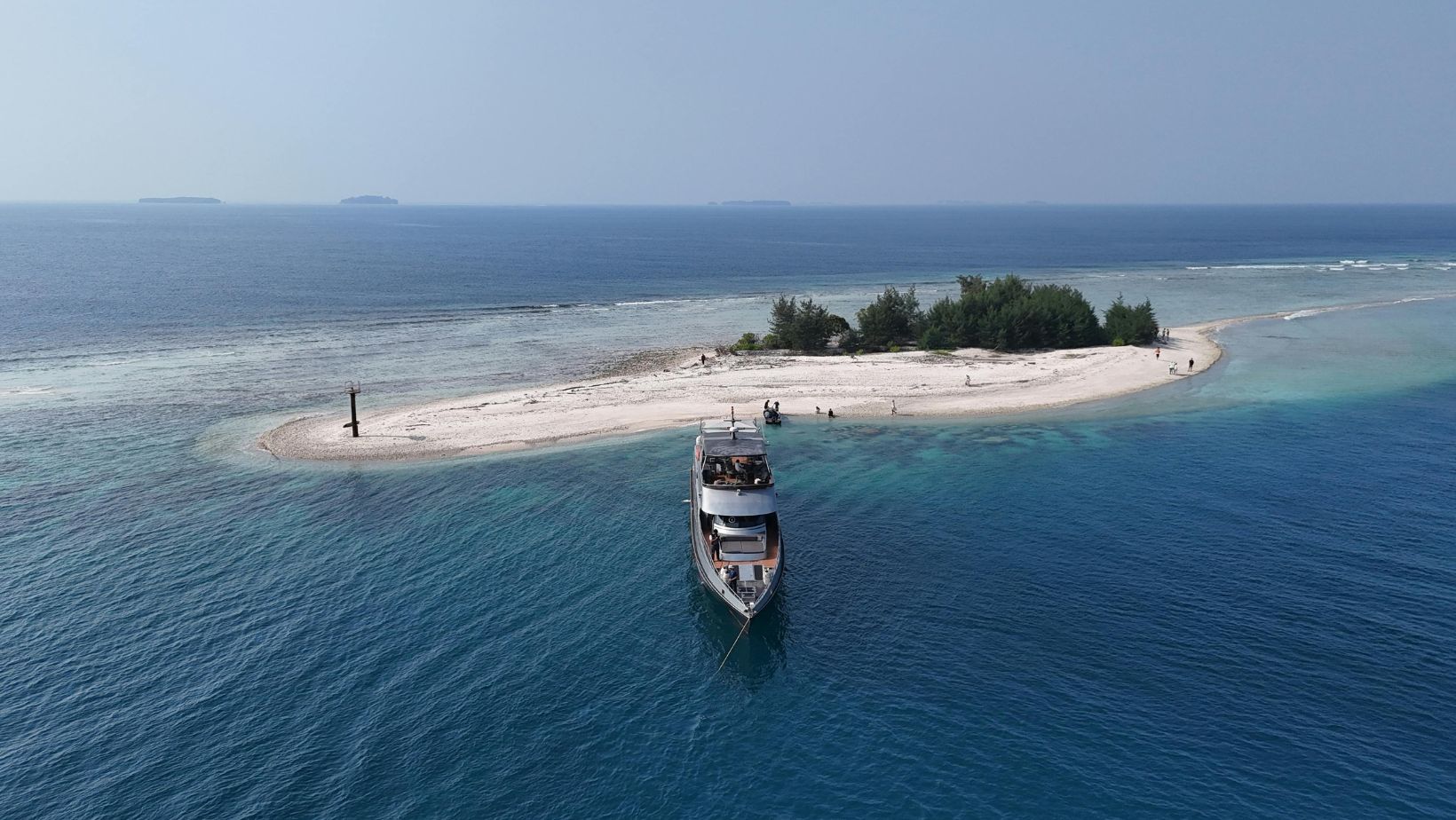
For soft bottoms like sand and mud, a sand anchor with a large fluke surface area is ideal, as it uses the weight of the seabed itself to provide immense holding power. In contrast, for rocky bottoms, you need an anchor with a strong, sharp point that can wedge securely into a crevice without bending or breaking. A traditional fisherman-style or modern plough anchor with a weighted tip can be effective here.
Understanding these differences allows you to choose a primary anchor that suits your most common anchorages and a secondary anchor that covers other scenarios.
| Seabed Type | Recommended Anchor Characteristics |
| Sand/Mud | Large fluke surface area for high holding power (e.g., fluke, scoop) |
| Rock/Coral | Strong, narrow point to grab crevices (e.g., grapnel, weighted-tip plough) |
| Hard Clay | Sharp, heavily weighted tip to penetrate the hard surface |
| Seagrass/Kelp | Heavy overall weight and a sharp point to cut through vegetation |
6. Compare Holding Power and Setting Ability
Two of the most important terms in the world of anchors are ‘holding power’ and ‘setting ability’. Holding power refers to the maximum force an anchor can withstand before it starts to drag. Setting ability describes how quickly and reliably an anchor digs in and becomes secure once it hits the bottom. The best anchor for you will excel in both.
A reliable set is something you can feel. As you gently pull back on the anchor with your engine in reverse, you should feel the chain become taut and the boat come to a firm stop. This positive feedback gives you the confidence that you are securely attached to the seabed. An anchor that feels “soft” or seems to plough endlessly through the mud without locking in will never provide true peace of mind.
Your first true test might come unexpectedly in the middle of the night during a storm. An anchor with superior setting ability will dig in fast, while one with high holding power will keep you there. Many modern-generation anchors are praised for their ability to set almost instantly and offer tremendous holding power, making them a popular choice for cruising sailboats.
7. Factor in Weight, Storage, and Handling Ease
While a big, heavy anchor provides security, you also have to live with it. Consider the practicalities of weight, storage, and handling on your vessel. A massive anchor may offer peace of mind at night but be a nightmare to handle for a shorthanded crew. How do I choose the right anchor size for my boat? You must balance sheer holding power with practicality.
The extra weight of an oversized anchor on the boat’s bow can affect sailing performance, especially on lighter, performance-oriented sailboats. However, for most cruising boats, the security gained is well worth the slight performance trade-off. Your windlass must also be powerful enough to retrieve the anchor and chain you choose.
For secondary or stern anchors, handling and easy storage become even more critical. A lightweight anchor that can be disassembled and stowed below is an excellent option, as it won’t take up precious deck space. Remember that any heavy gear stored on deck must be secured properly; loose anchors can become incredibly dangerous projectiles in rough offshore seas.
8. Analyze Anchor Compatibility with Chain and Rode
An anchor is only one part of a complete system. Its performance is entirely dependent on its connection to the boat via the chain and rode. An oversized anchor on an undersized chain is a point of failure waiting to happen. Ensure your chain diameter and grade are appropriately matched to the anchor’s holding power and your vessel’s displacement.
Many cruisers prefer an all-chain rode for its strength, abrasion resistance, and the catenary effect, where the chain’s weight helps absorb shock loads. As a guideline, you should carry an absolute minimum chain length that allows for a 5:1 scope (5 metres of chain for every 1 metre of depth) in your typical anchorages, with more rode available for deeper water or storm conditions.
Finally, consider the connection between the anchor and chain. While some boaters use a high-quality anchor swivel to prevent chain twist, others prefer the simplicity and strength of a rated shackle. Whichever you choose, it is essential to secure the pin. Mousing the bolt of the shackle with stainless wire ensures it cannot work itself loose at the worst possible moment.
9. Learn About Anchor Maintenance and Longevity
Your anchoring gear works hard in a harsh environment and requires regular inspection to ensure its longevity and reliability. What maintenance tips help anchors last longer in Australian conditions? Proactive checks and simple upkeep are the answer. Regularly inspect your anchor for signs of bending or stress cracks, especially after being anchored in heavy weather.
For galvanised anchors, check the zinc coating for wear. Once you start seeing significant rust, the anchor’s base metal is exposed and will corrode quickly. At this point, it’s time to consider getting it re-galvanised, a cost-effective way to extend its life. With any anchor, always check that moving parts, if any, operate freely.
Your maintenance shouldn’t stop at the anchor itself. Inspect your shackles and swivels, and replace the mousing wire periodically. A set of aeroplane safety wire pliers is a fantastic tool for this, allowing you to create a tight, secure lock on the shackle pin. Combining this physical maintenance with the habit of always setting an anchor alarm on your GPS provides a robust, multi-layered approach to anchoring safety.
10. Prioritise Safety and Reliability in Anchor Selection
Ultimately, every decision in this process must come back to safety and reliability. Your anchor is not a place to cut corners or compromise. A high-quality, reputable anchor is an investment in your safety and the primary tool that keeps your vessel secure when you are at your most vulnerable.
In a case of emergency, such as your primary anchor dragging or needing to be abandoned, a secondary anchor ready for immediate deployment is critical. Many experienced cruisers carry a dedicated stern anchor, which can be used to hold the boat’s bow into the swell in a rolly anchorage or to limit swinging room in a tight spot.
So, how do I choose the right boat anchor for my vessel? You do it by prioritising reliability over all else. By carefully assessing your boat, your cruising plans, and the available equipment, you can build an anchoring system that you can trust completely. That trust is the foundation of confident, safe, and enjoyable cruising.
Conclusion
Selecting the right anchor is crucial for ensuring safe and enjoyable travels across Australia’s stunning waterways. By following the ten essential steps outlined above, you can confidently choose an anchor that suits your vessel and meets the diverse conditions you may encounter while cruising. From assessing your vessel’s size to prioritising safety and reliability, each step ensures you’re well-prepared for your adventures on the water. Remember, the right anchor not only enhances your boating experience but also provides peace of mind as you explore the breathtaking Australian coastline. If you have more questions or need further guidance, feel free to reach out for assistance. Happy anchoring!
Frequently Asked Questions
What Anchor Type Is Perfect For Sandy Versus Rocky Bottoms?
For sandy bottoms, a sand anchor or fluke anchor with a large surface area provides the best holding power. For rocky bottoms, a grapnel anchor or a plough-style anchor with a strong, sharp point is more effective as it is designed to wedge into crevices rather than dig into soft substrate.
How Do I Choose The Right Anchor Size For My Boat?
Start with the manufacturer’s recommendations for your boat size and displacement. For a cruising vessel, it is highly recommended to select an anchor one to two sizes larger than suggested. This provides a crucial safety margin for when you encounter unexpected strong winds or poor holding ground.
What Maintenance Tips Help Anchors Last Longer In Australian Conditions?
Regularly inspect your anchor for bending and wear. For galvanised anchors, re-coat them when rust appears. Always check your shackles and swivels, and ensure their pins are securely wired. Consistent maintenance and using an anchor alarm will ensure the longevity and reliability of your entire anchoring system.